
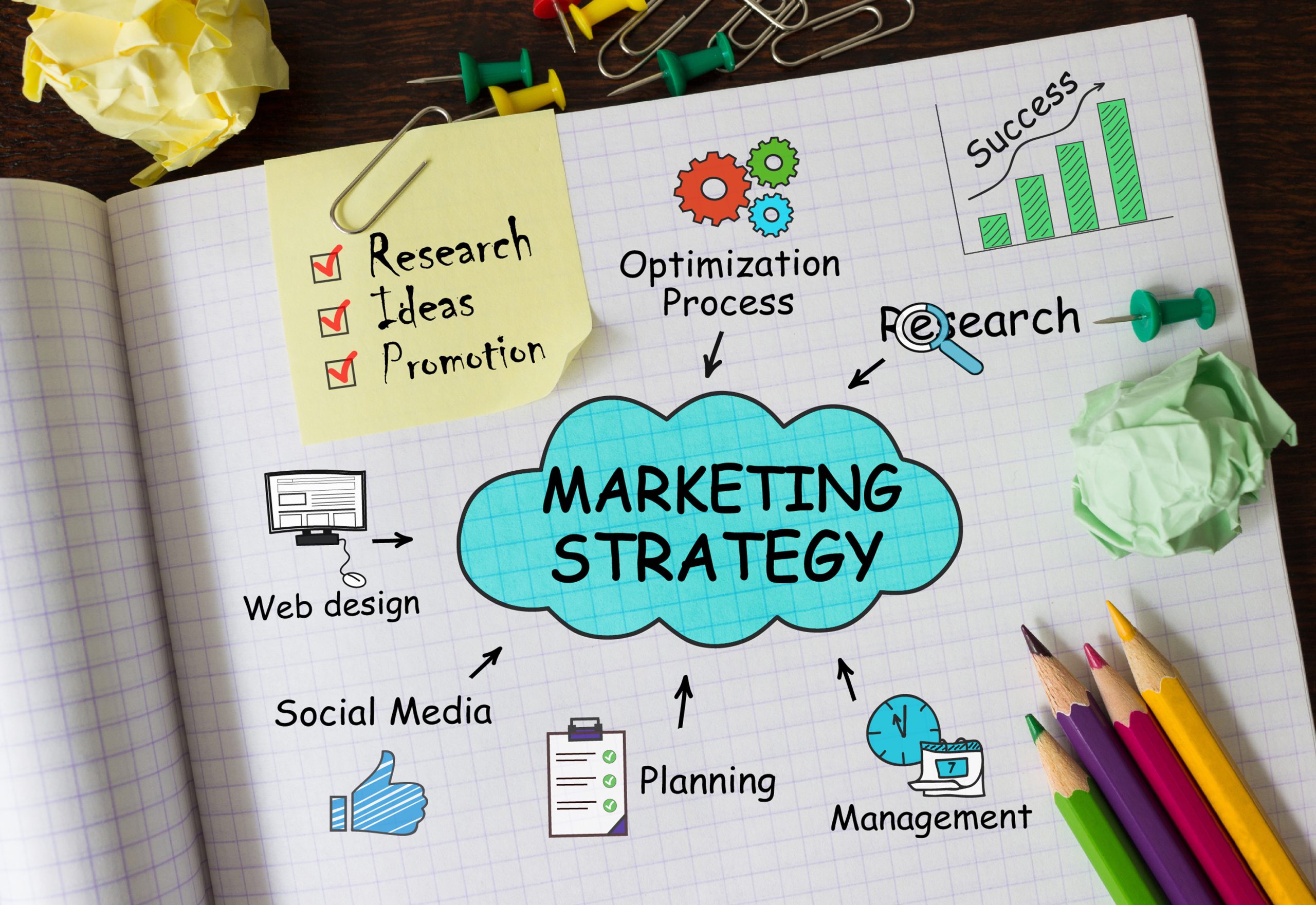
Content marketing has emerged as a crucial element of any successful marketing strategy. It’s not just about creating content but about creating content that resonates with your audience and drives tangible results. In this guide, we’ll walk you through the steps to build a content marketing strategy that works, helping you attract, engage, and retain your target audience.
1. Understand Your Audience
The foundation of any effective content marketing strategy is a deep understanding of your audience. Before creating content, you need to know who you’re creating it for.
Steps to Understand Your Audience:
- Create Buyer Personas: Develop detailed profiles of your ideal customers, including demographics, interests, challenges, and behaviors.
- Conduct Market Research: Use surveys, interviews, and data analytics to gather insights about your audience’s preferences and needs.
- Analyze Competitors: Look at what your competitors are doing and identify gaps or opportunities to differentiate your content.
2. Set Clear Goals
Without clear goals, it’s challenging to measure the success of your content marketing efforts. Define what you want to achieve with your content.
Common Content Marketing Goals:
- Increase Brand Awareness: Create content that introduces your brand to a broader audience.
- Generate Leads: Develop content that captures contact information from potential customers.
- Boost Engagement: Create interactive content that encourages likes, shares, and comments.
- Drive Sales: Produce content that moves prospects through the sales funnel and converts them into customers.
3. Develop a Content Plan
A content plan outlines what content you will create, when you will publish it, and where you will distribute it.
Components of a Content Plan:
- Content Topics: Identify the main topics and subtopics that align with your audience’s interests and your business goals.
- Content Formats: Choose the formats that best convey your message, such as blog posts, videos, infographics, eBooks, or podcasts.
- Content Calendar: Create a calendar to schedule your content production and publication. Consistency is key to maintaining audience engagement.
4. Create High-Quality Content
Quality trumps quantity in content marketing. Your content should be valuable, relevant, and engaging to your audience.
Tips for Creating High-Quality Content:
- Focus on Value: Provide actionable insights, solve problems, or entertain your audience.
- Be Authentic: Use your brand voice and stay true to your brand’s values and personality.
- Optimize for SEO: Incorporate relevant keywords, optimise meta tags, and use internal and external links to improve search engine rankings.
- Use Visuals: Enhance your content with images, videos, and infographics to make it more engaging and easier to consume.
5. Distribute Your Content
Creating great content is just the beginning; you also need to ensure it reaches your audience.
Content Distribution Channels:
- Social Media: Share your content on platforms where your audience is most active.
- Email Marketing: Send your content directly to subscribers’ inboxes.
- Paid Advertising: Use pay-per-click (PPC) ads, social media ads, or sponsored content to reach a larger audience.
- Collaborations: Partner with influencers or other brands to amplify your reach.
6. Engage with Your Audience
Content marketing is a two-way street. Engage with your audience by responding to comments, asking questions, and encouraging user-generated content.
Engagement Strategies:
- Respond Promptly: Reply to comments and messages on your content to build relationships with your audience.
- Encourage Interaction: Use calls-to-action (CTAs) to prompt your audience to engage with your content.
- Host Live Events: Webinars, live Q&A sessions, and social media live streams can create real-time engagement.
7. Measure and Analyze Results
To understand the effectiveness of your content marketing strategy, you need to track and analyze key metrics.
Important Metrics to Track:
- Traffic: Monitor the number of visitors to your content.
- Engagement: Track likes, shares, comments, and time spent on your content.
- Lead Generation: Measure the number of leads generated from your content.
- Conversions: Track the number of sales or desired actions taken as a result of your content.
Tools for Analysis:
- Google Analytics: Provides detailed insights into your website traffic and user behaviour.
- Social Media Analytics: Platforms like Facebook Insights and Twitter Analytics offer data on engagement and reach.
- CRM Systems: Track leads and conversions through customer relationship management tools.
8. Refine and Adapt Your Strategy
Content marketing is an ongoing process. Use the insights gained from your analysis to refine and adapt your strategy.
Steps to Refine Your Strategy:
- Identify What Works: Double down on content types and topics that resonate with your audience.
- Optimize Underperforming Content: Revise and update content that isn’t meeting your goals.
- Stay Current: Keep up with industry trends and changes in audience preferences to ensure your content remains relevant.
Conclusion
Building a content marketing strategy that works requires a clear understanding of your audience, well-defined goals, a solid content plan, and a commitment to creating high-quality content. By distributing your content effectively, engaging with your audience, and continuously measuring and refining your strategy, you can achieve significant results and drive growth for your business.
Start implementing these steps today and watch your content marketing efforts pay off with increased traffic, engagement, and conversions.